Palette idea
Blue is not mandatory. Teal, violet, gray, green, and warm coral accents can show depth while keeping the animal distinct from the water.
Study fins, shells, movement, depth, and marine habitats while coloring ocean animals.
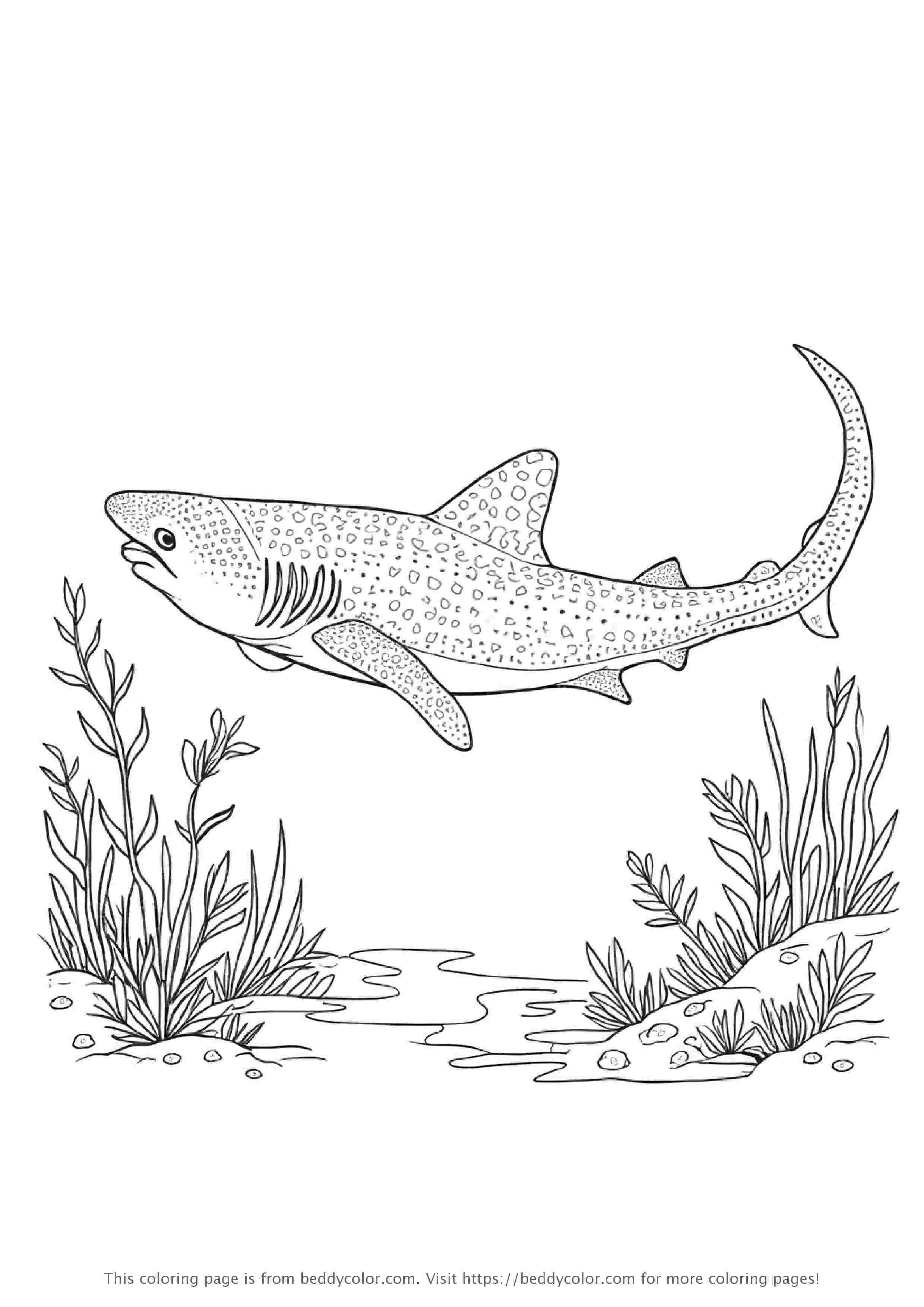
Clear shapes and open spaces for a short activity or broad crayons.
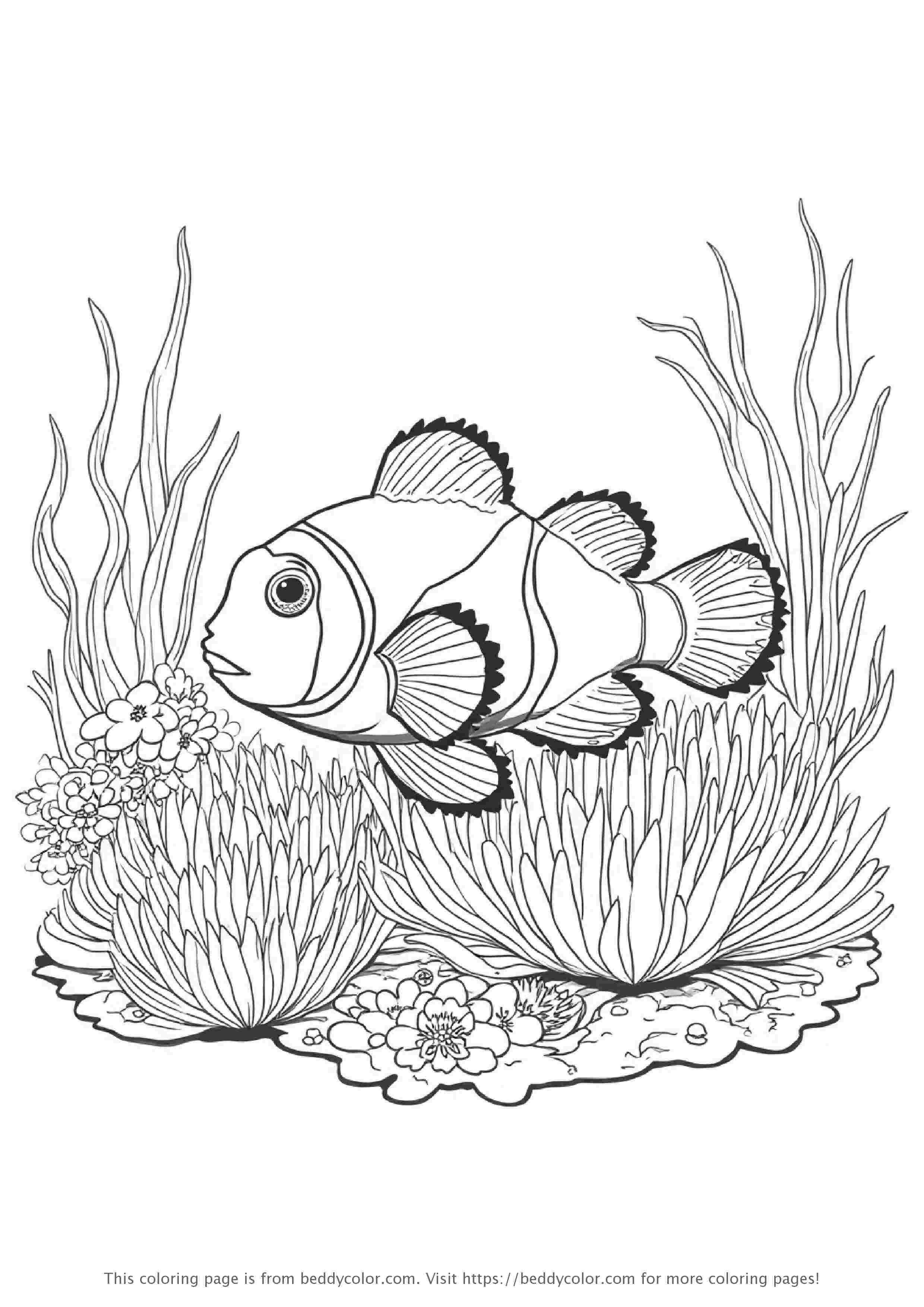
Clear shapes and open spaces for a short activity or broad crayons.
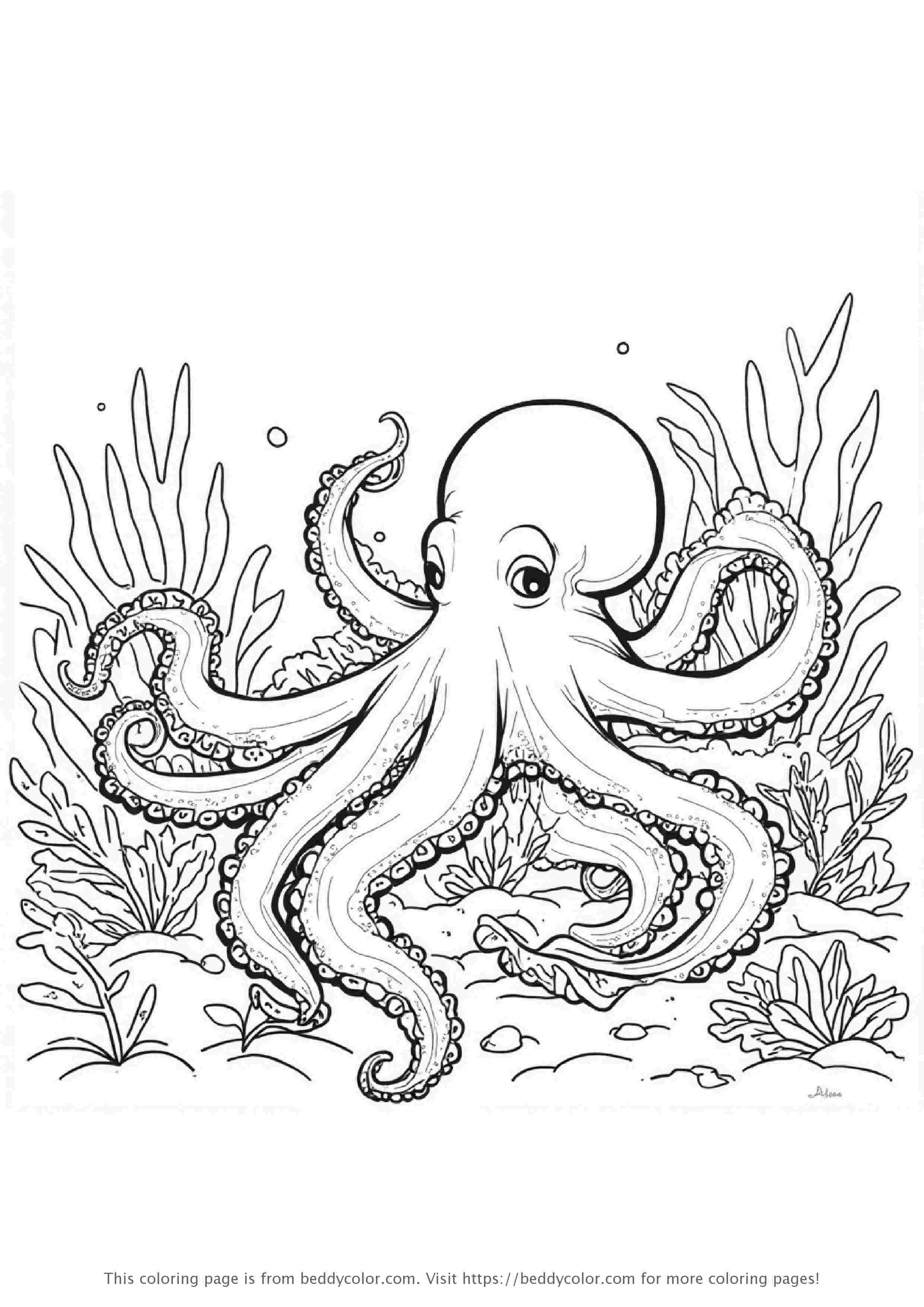
Clear shapes and open spaces for a short activity or broad crayons.
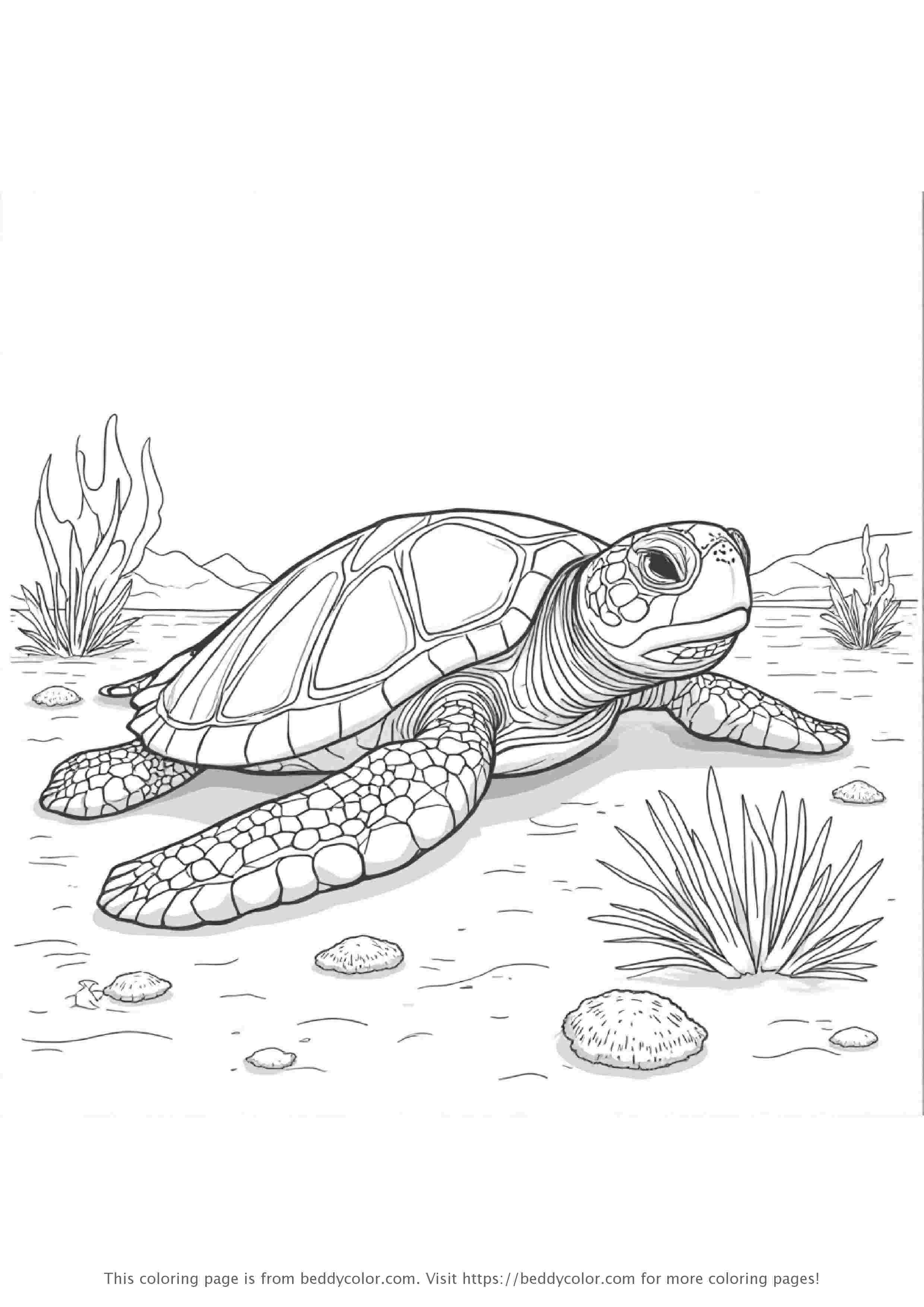
Clear shapes and open spaces for a short activity or broad crayons.
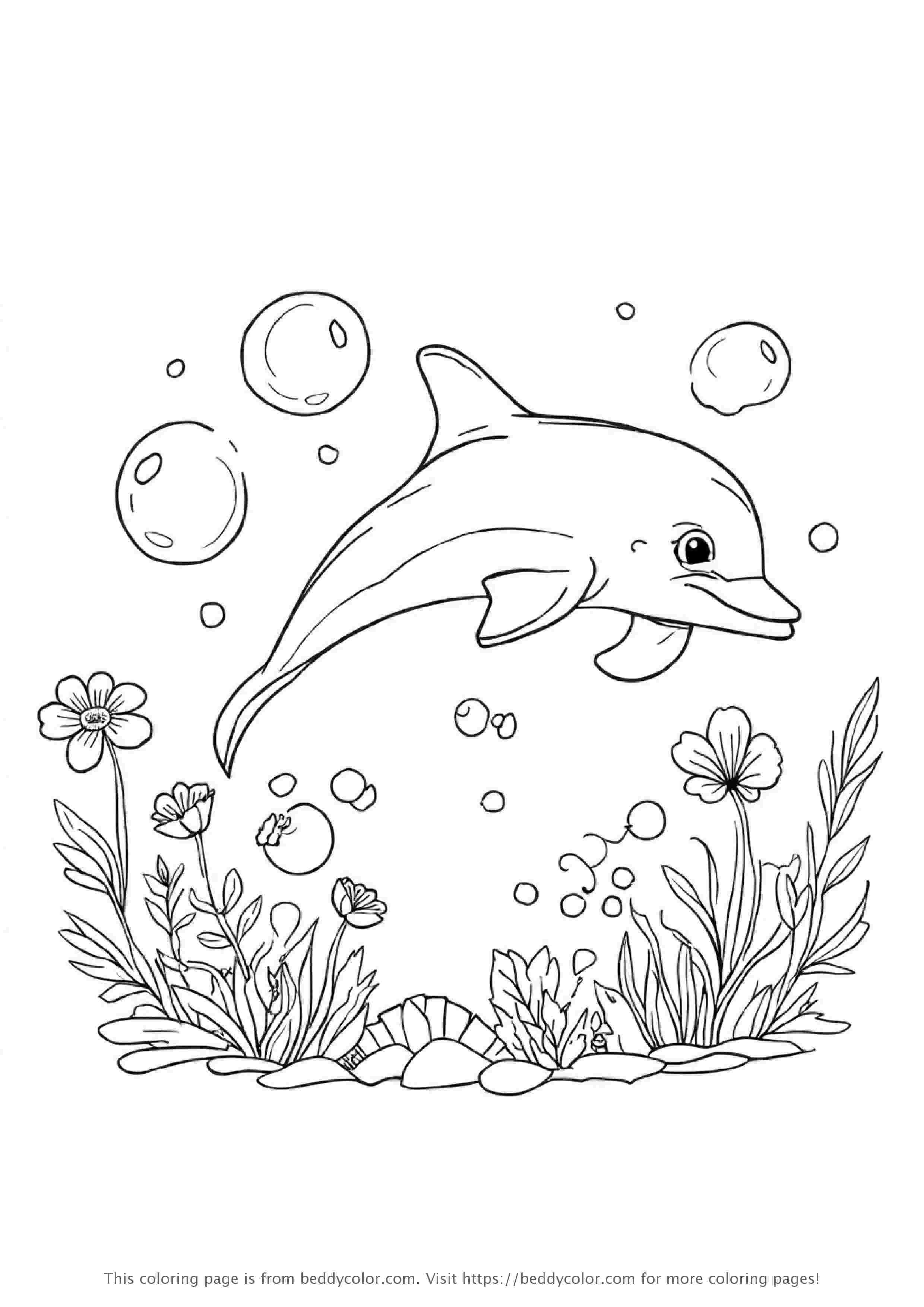
Clear shapes and open spaces for a short activity or broad crayons.
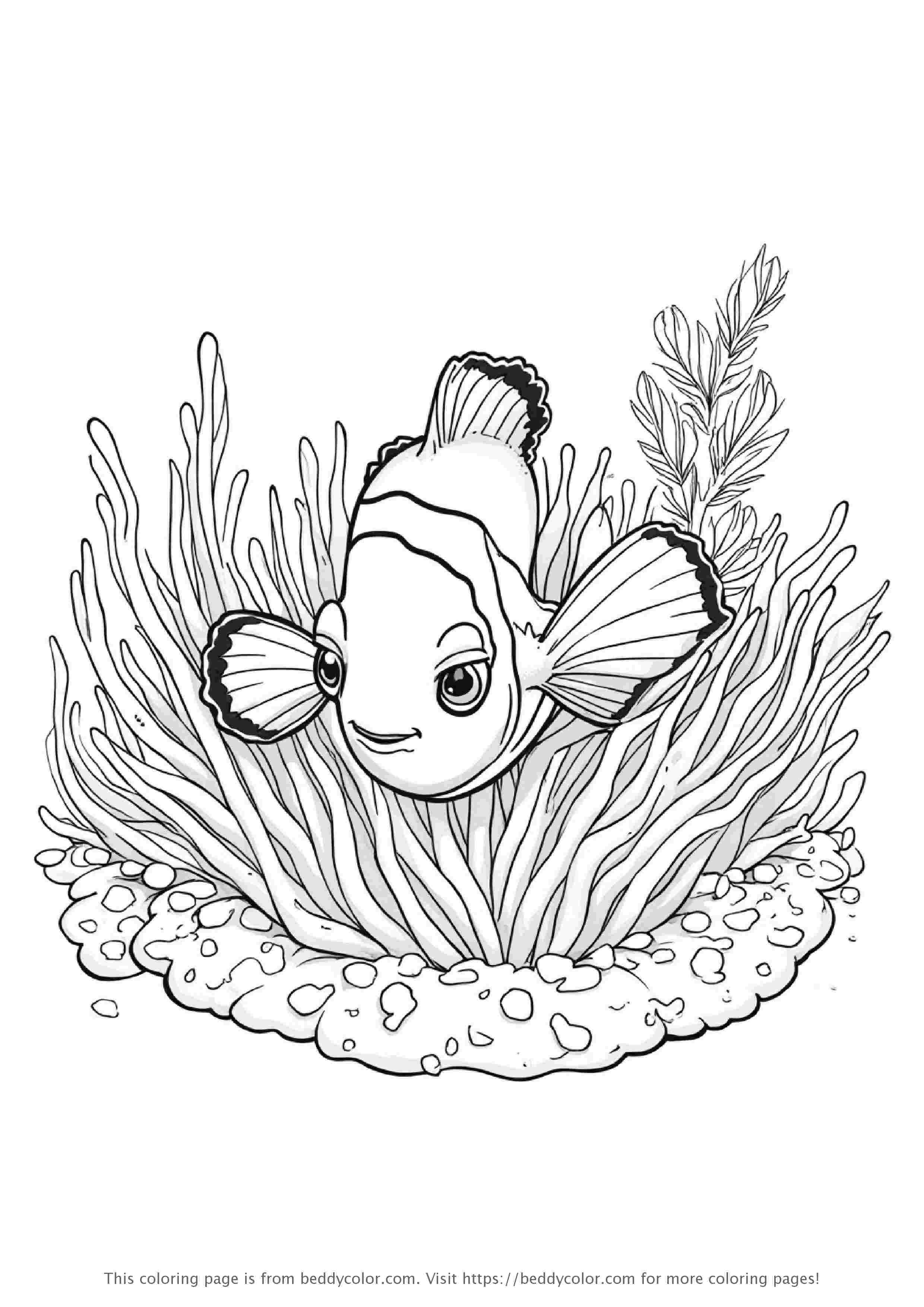
Clear shapes and open spaces for a short activity or broad crayons.
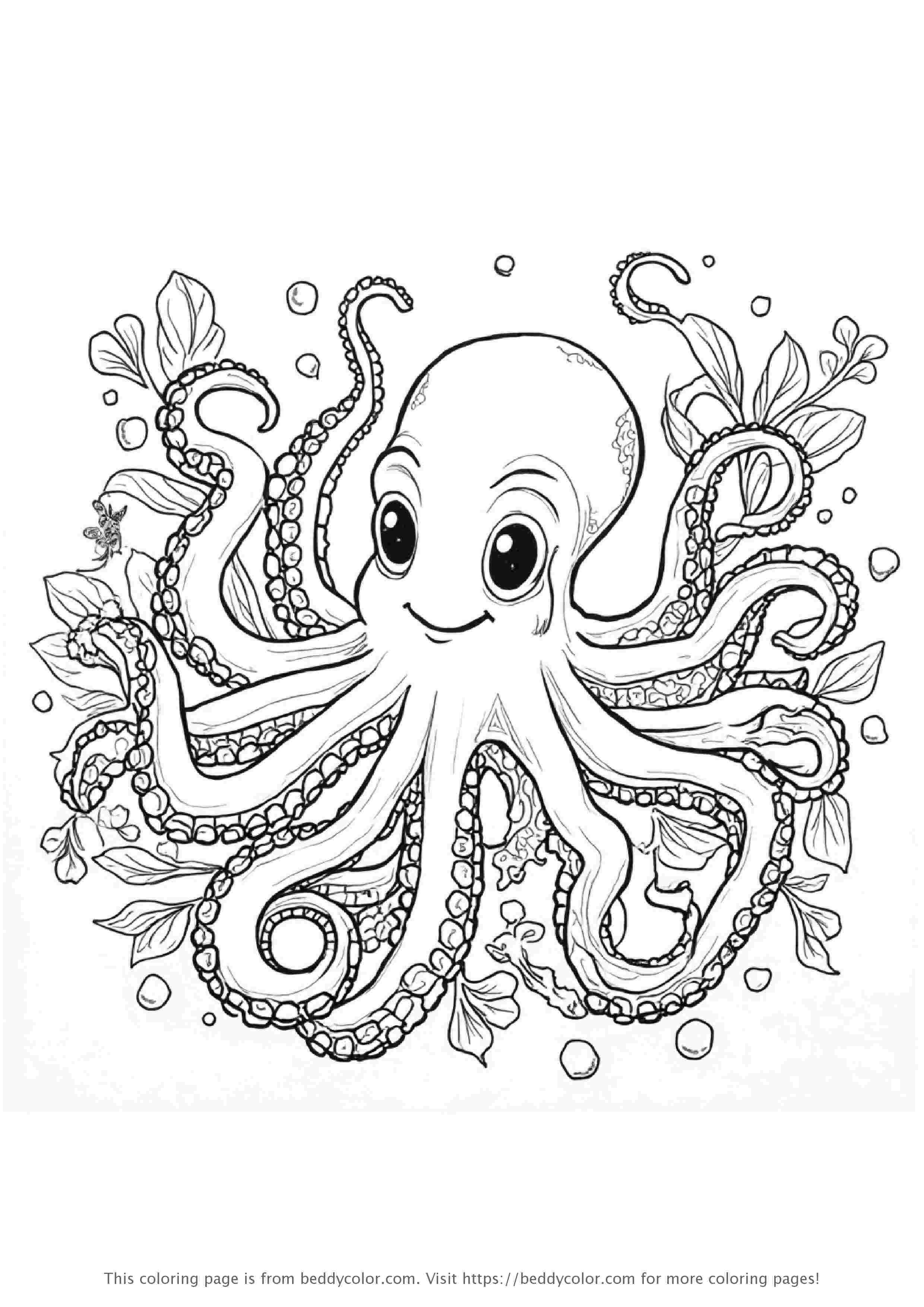
Clear shapes and open spaces for a short activity or broad crayons.
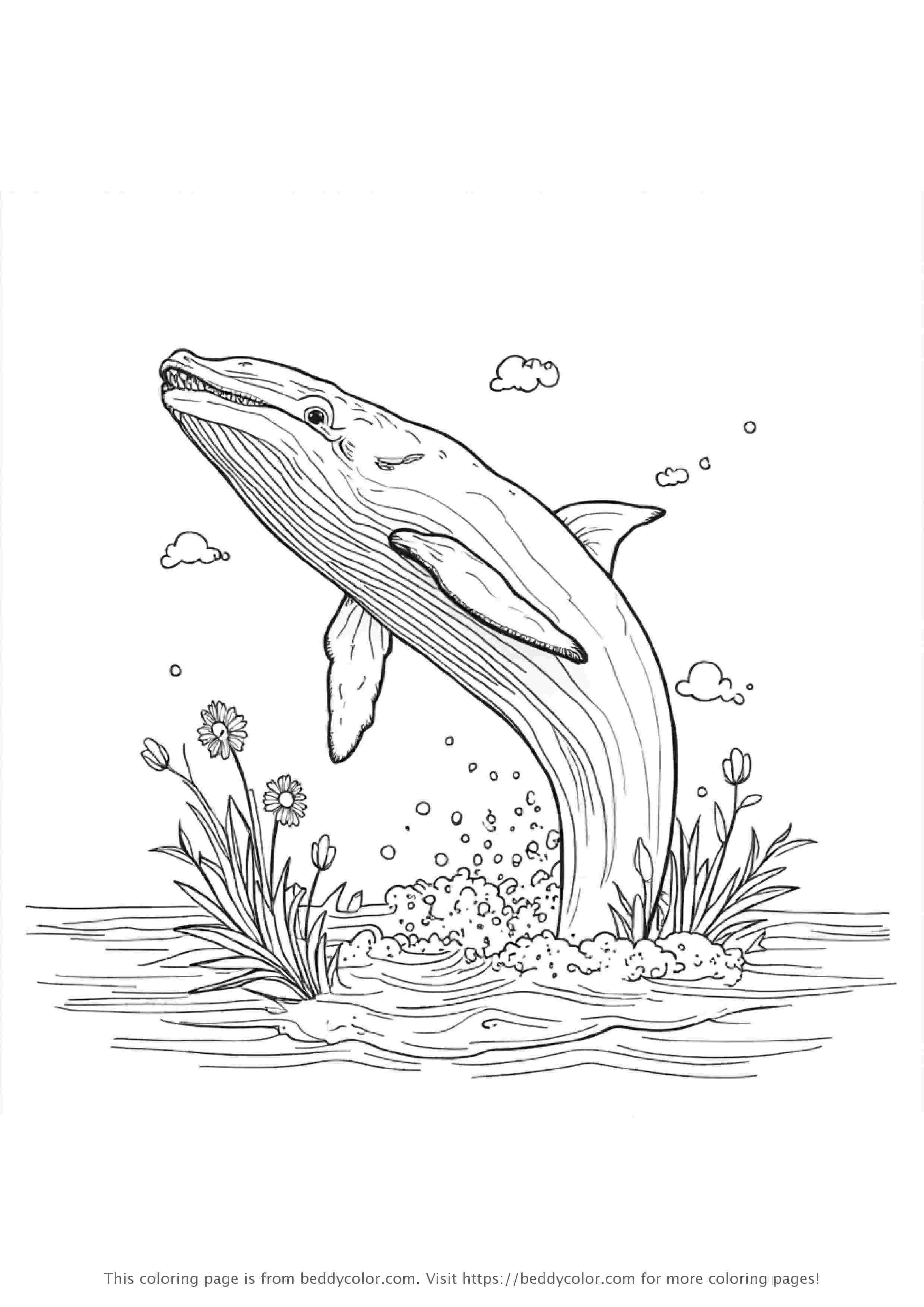
Clear shapes and open spaces for a short activity or broad crayons.
Home and classroom guide
Ocean pages invite children to study shape and movement in an environment where light, depth, and scale differ from land. The collection includes swimmers, bottom dwellers, shells, reefs, and open-water scenes with uncluttered outlines.
Large fish, turtles, and whales suit broad strokes. Tentacles, fins, coral branches, scales, and schools of fish create finer control practice. Choose fewer background objects for younger learners.
Use A4 or Letter paper, select “fit to printable area,” and preserve the original aspect ratio. Test margins in draft mode; place scrap paper underneath when using markers.
Compare fins, flippers, shells, gills, and blowholes. Discuss how depth changes light and why plastic, fishing line, and habitat damage affect marine life.
Create a depth gradient from light water near the surface to darker water below. Place or color the animal where it would likely move, then add bubbles or current lines to show direction.
Blue is not mandatory. Teal, violet, gray, green, and warm coral accents can show depth while keeping the animal distinct from the water.