Palette idea
Two main colors, one shadow color, and one accent are enough for a coherent result. Keep the background quieter than the subject.
Celebrate children with playful, happy, and creative scenes.
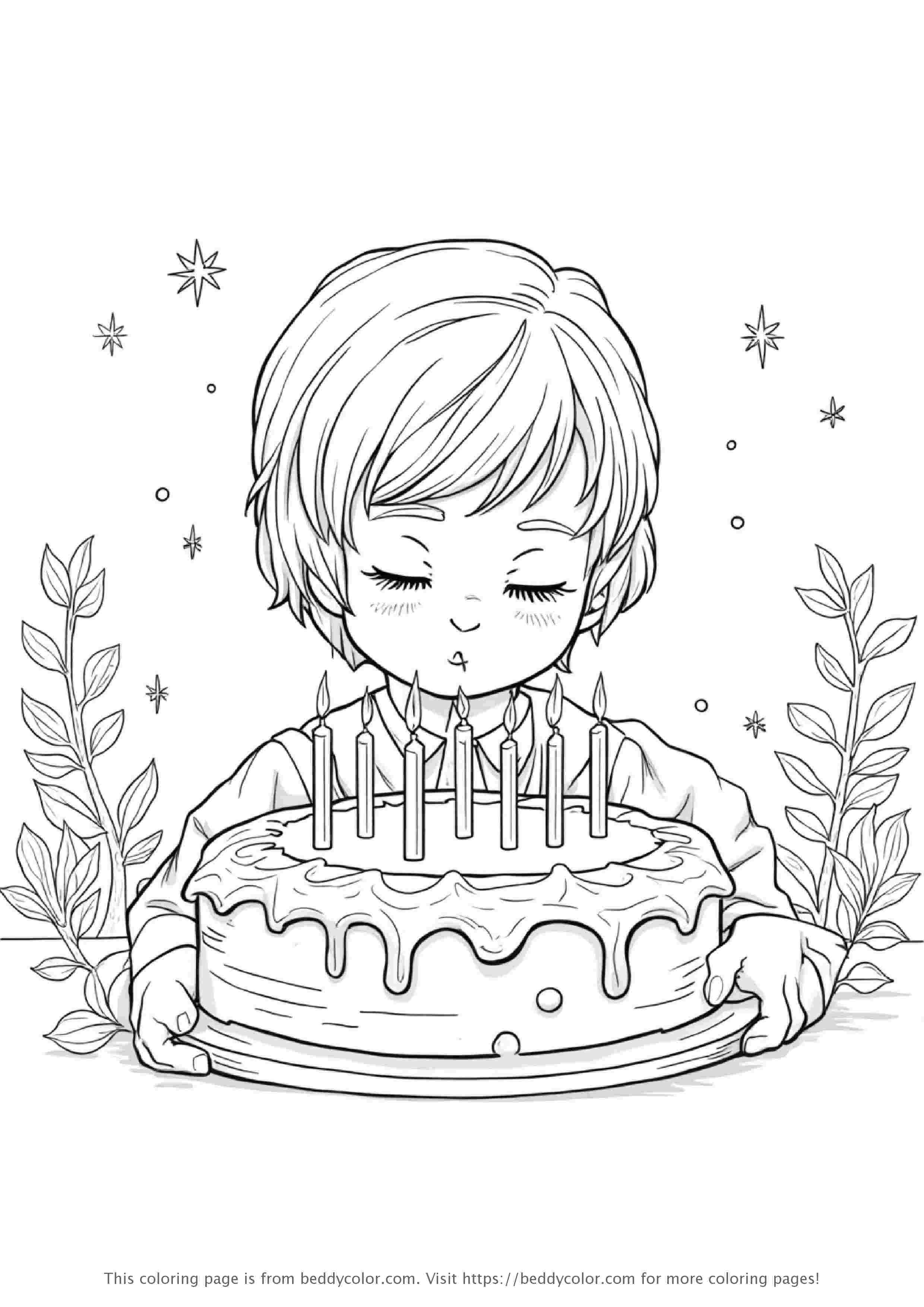
Clear shapes and open spaces for a short activity or broad crayons.
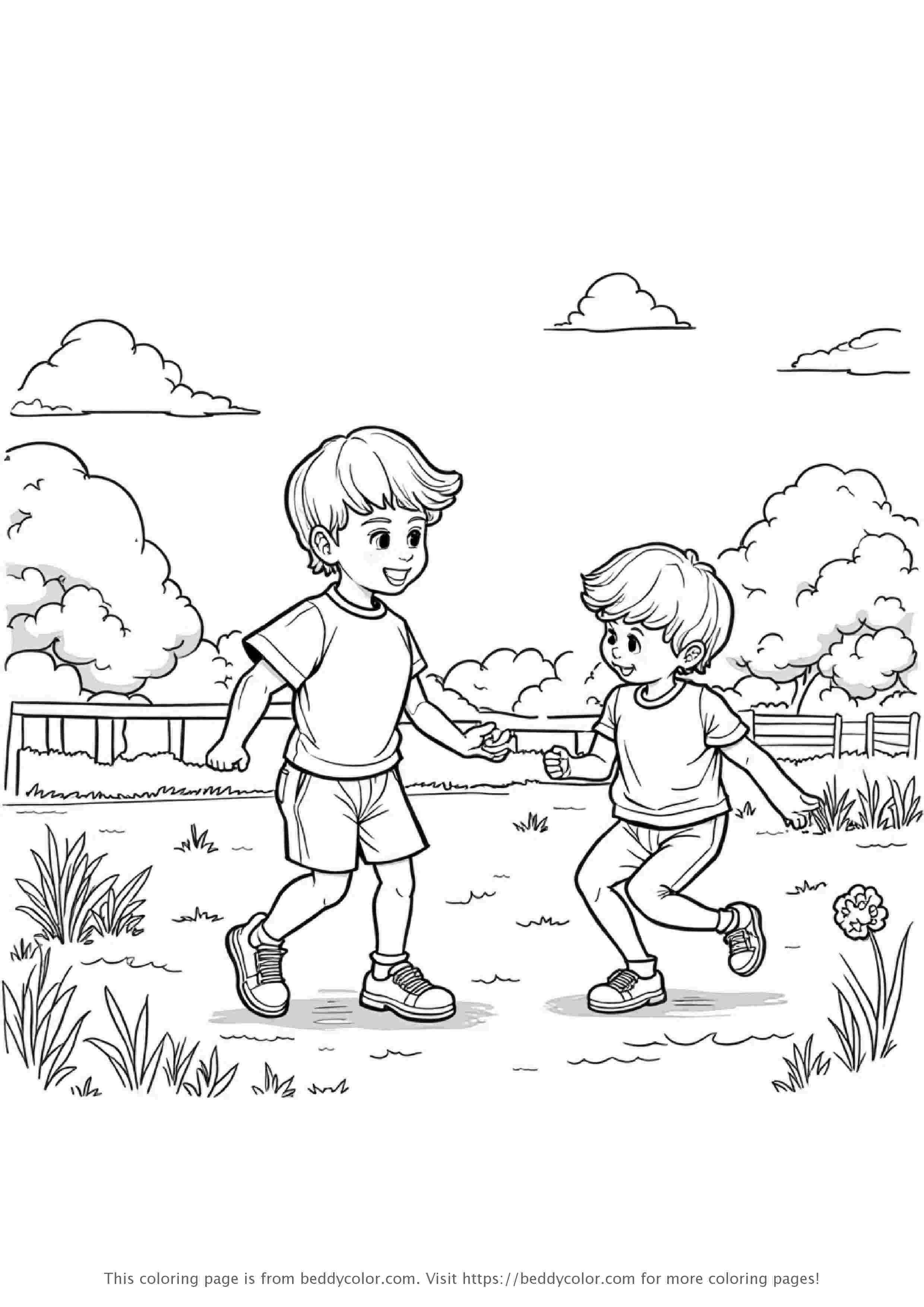
Clear shapes and open spaces for a short activity or broad crayons.
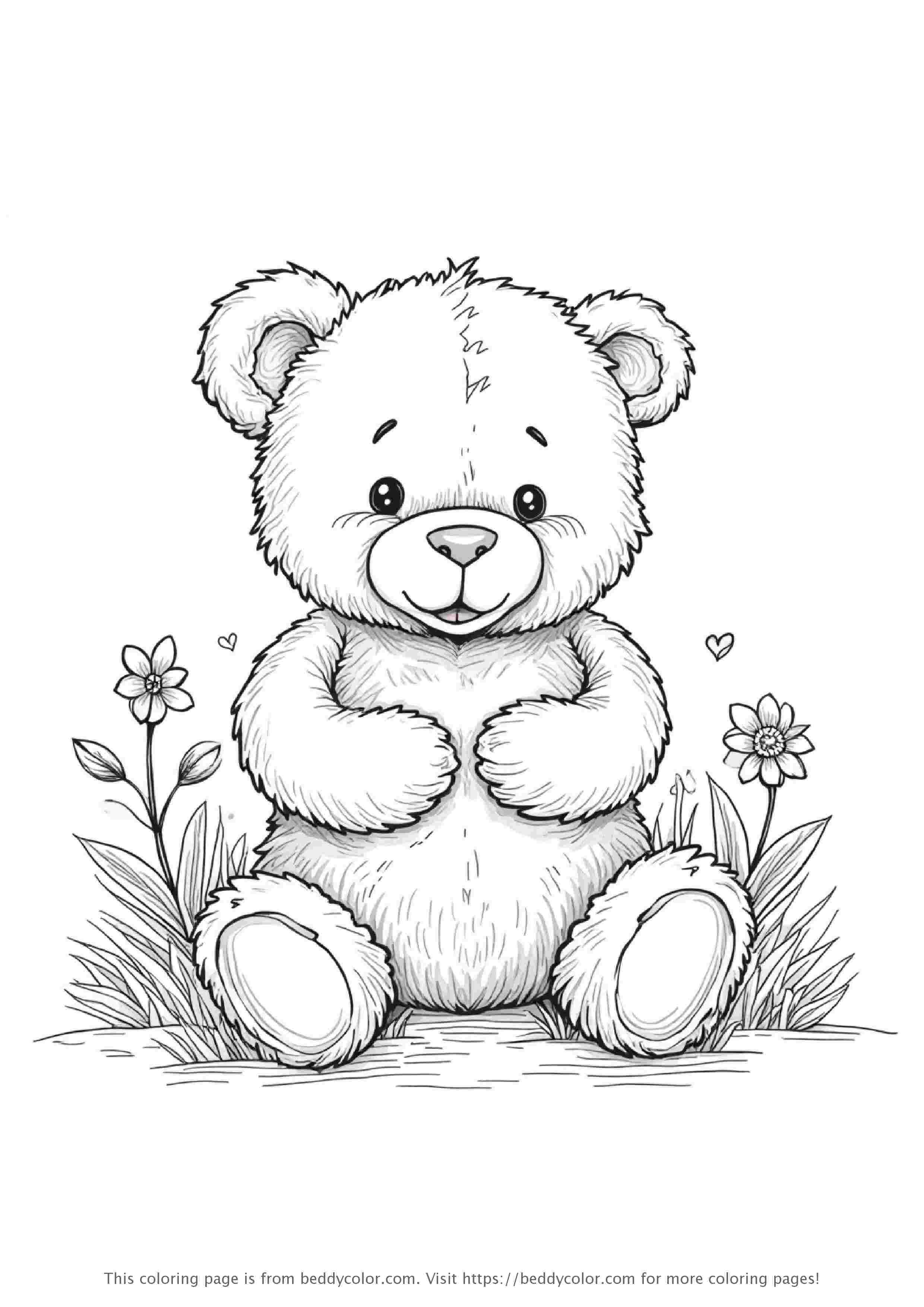
Clear shapes and open spaces for a short activity or broad crayons.
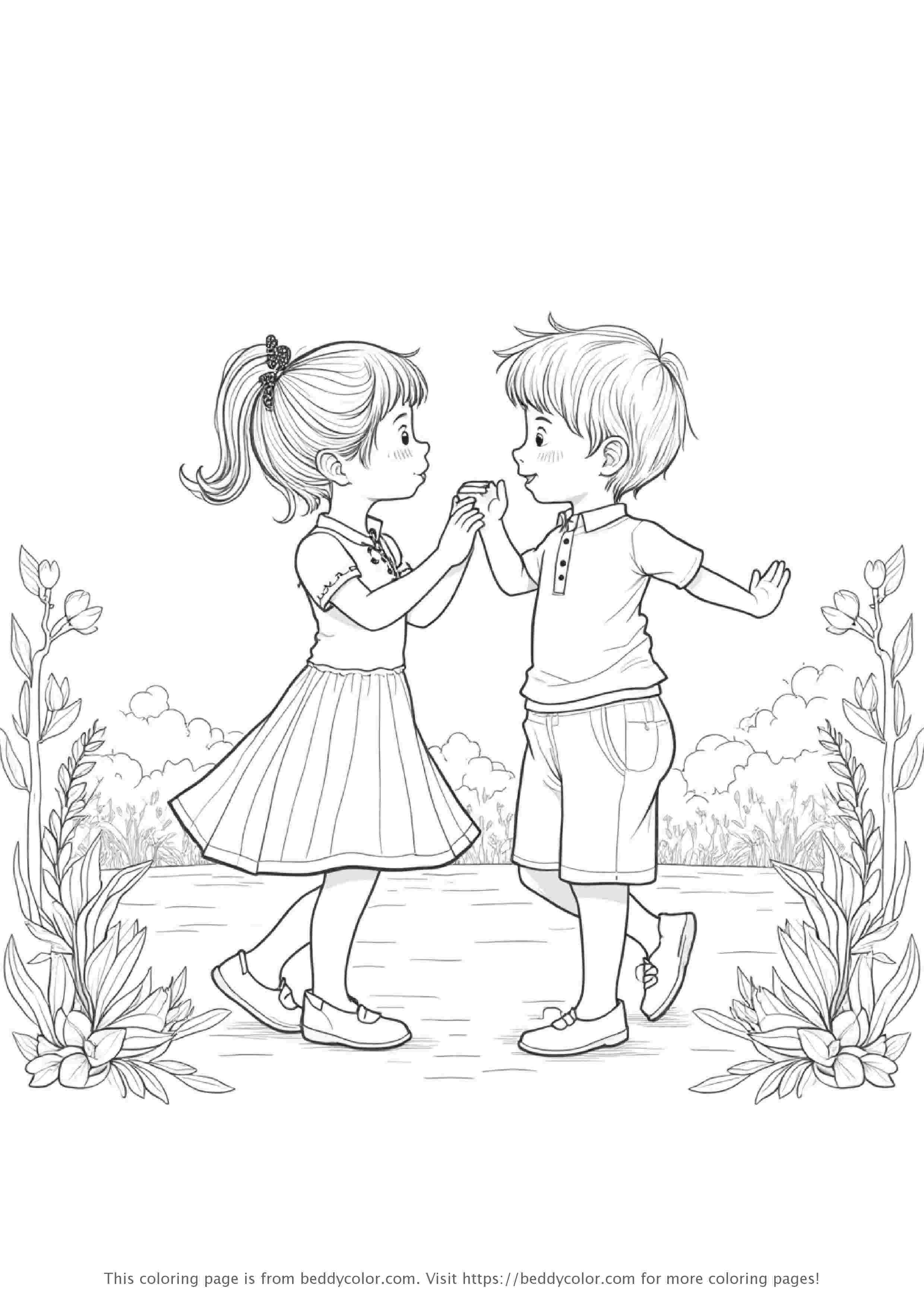
Clear shapes and open spaces for a short activity or broad crayons.
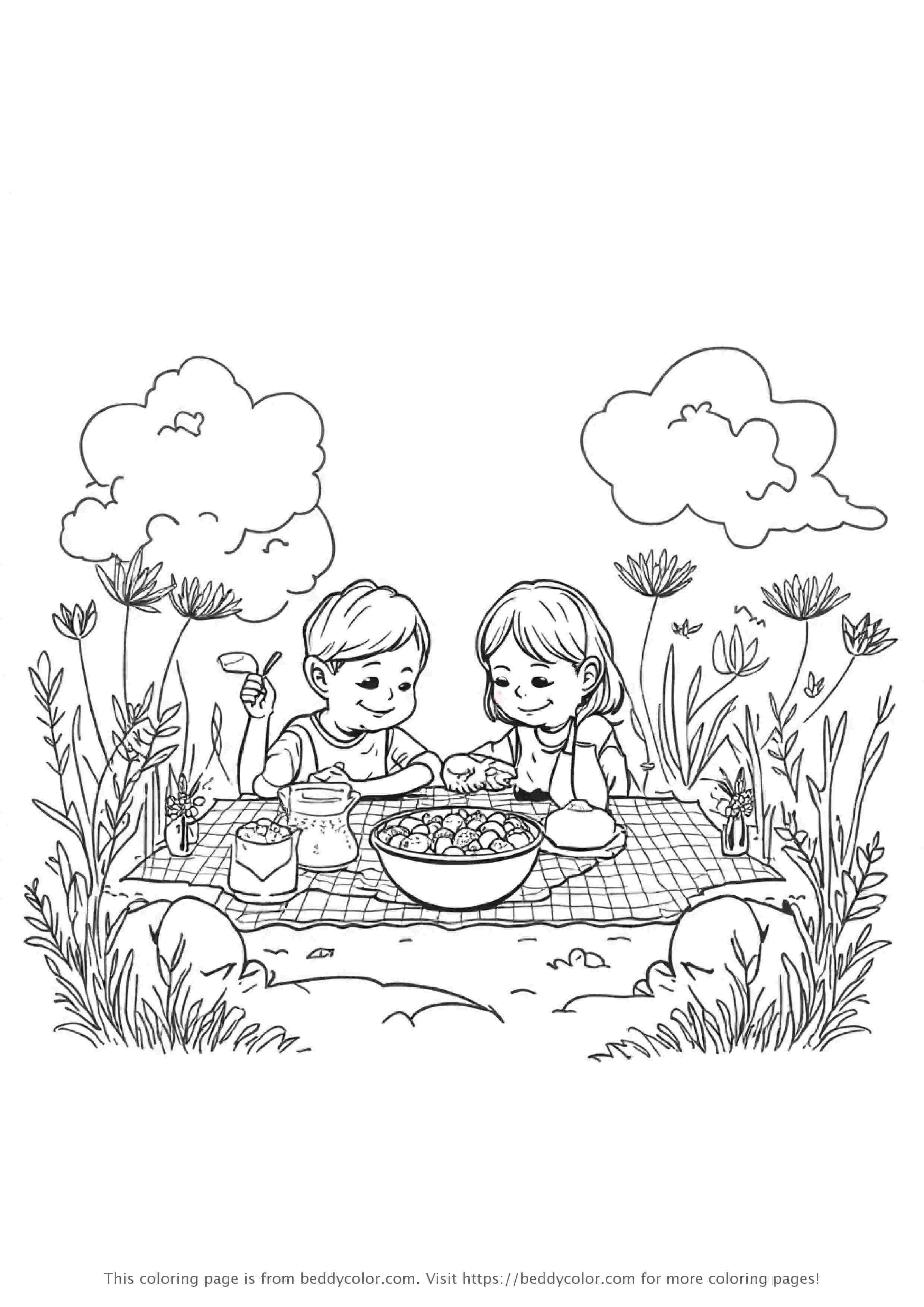
Clear shapes and open spaces for a short activity or broad crayons.
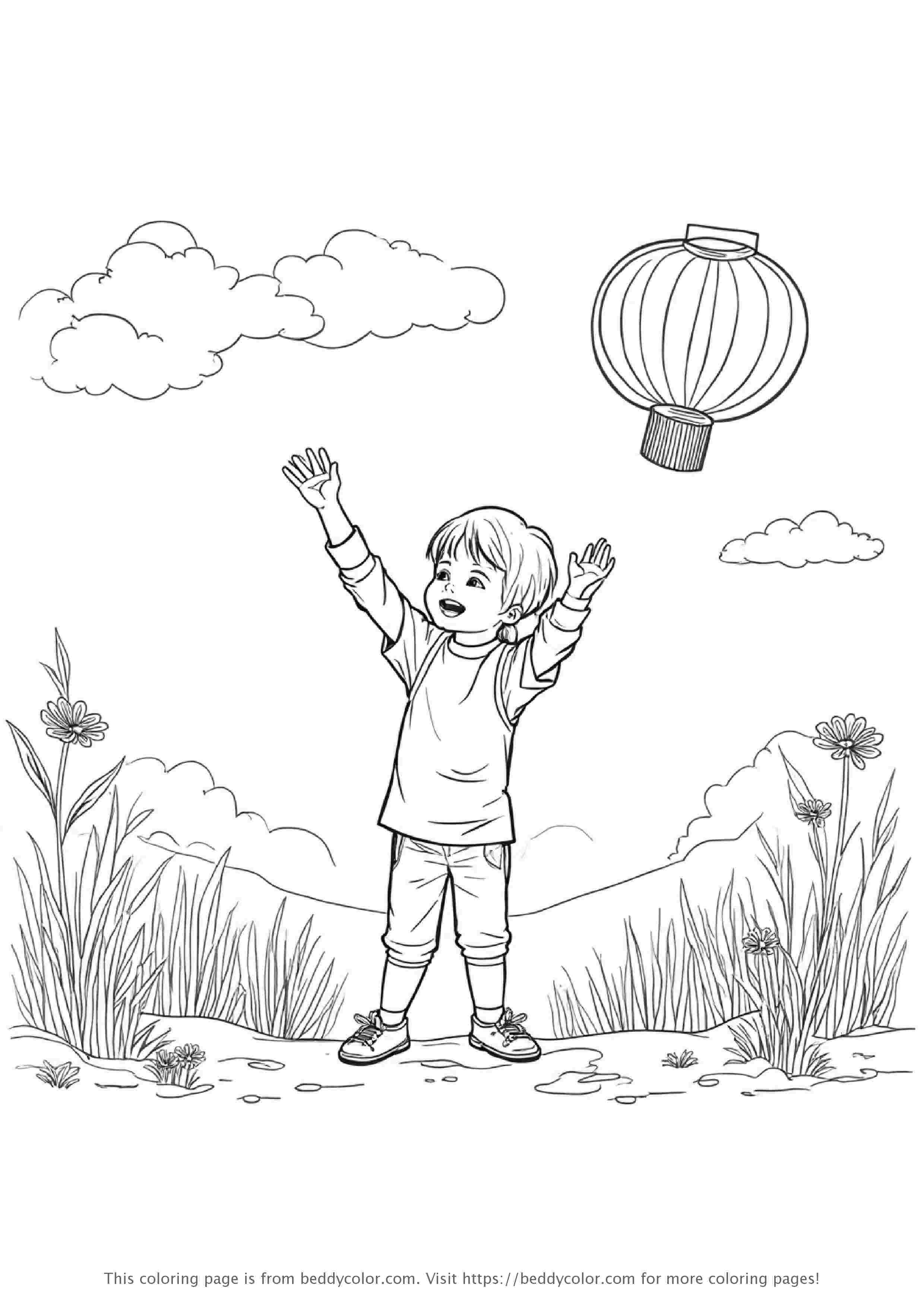
Clear shapes and open spaces for a short activity or broad crayons.
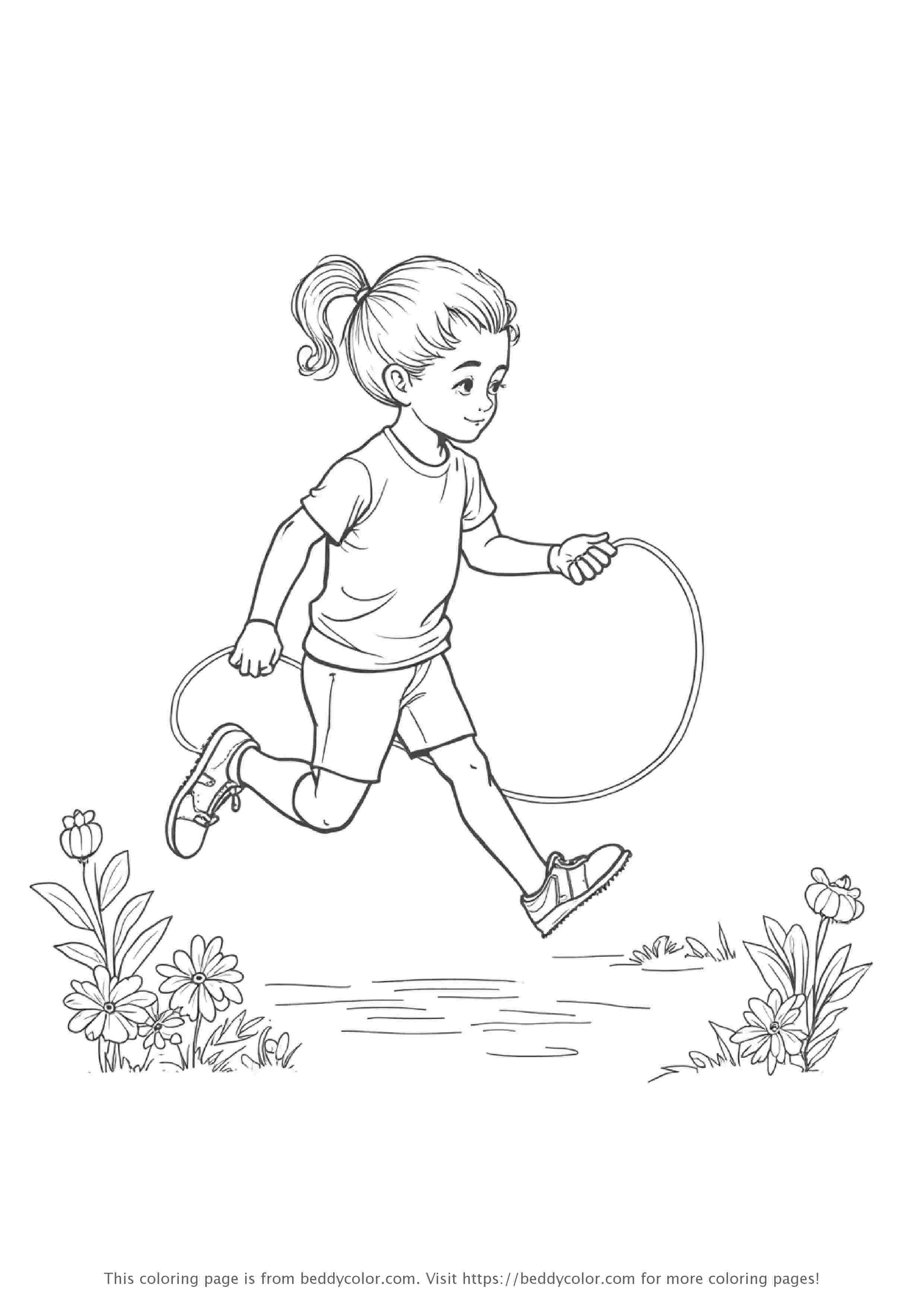
Clear shapes and open spaces for a short activity or broad crayons.
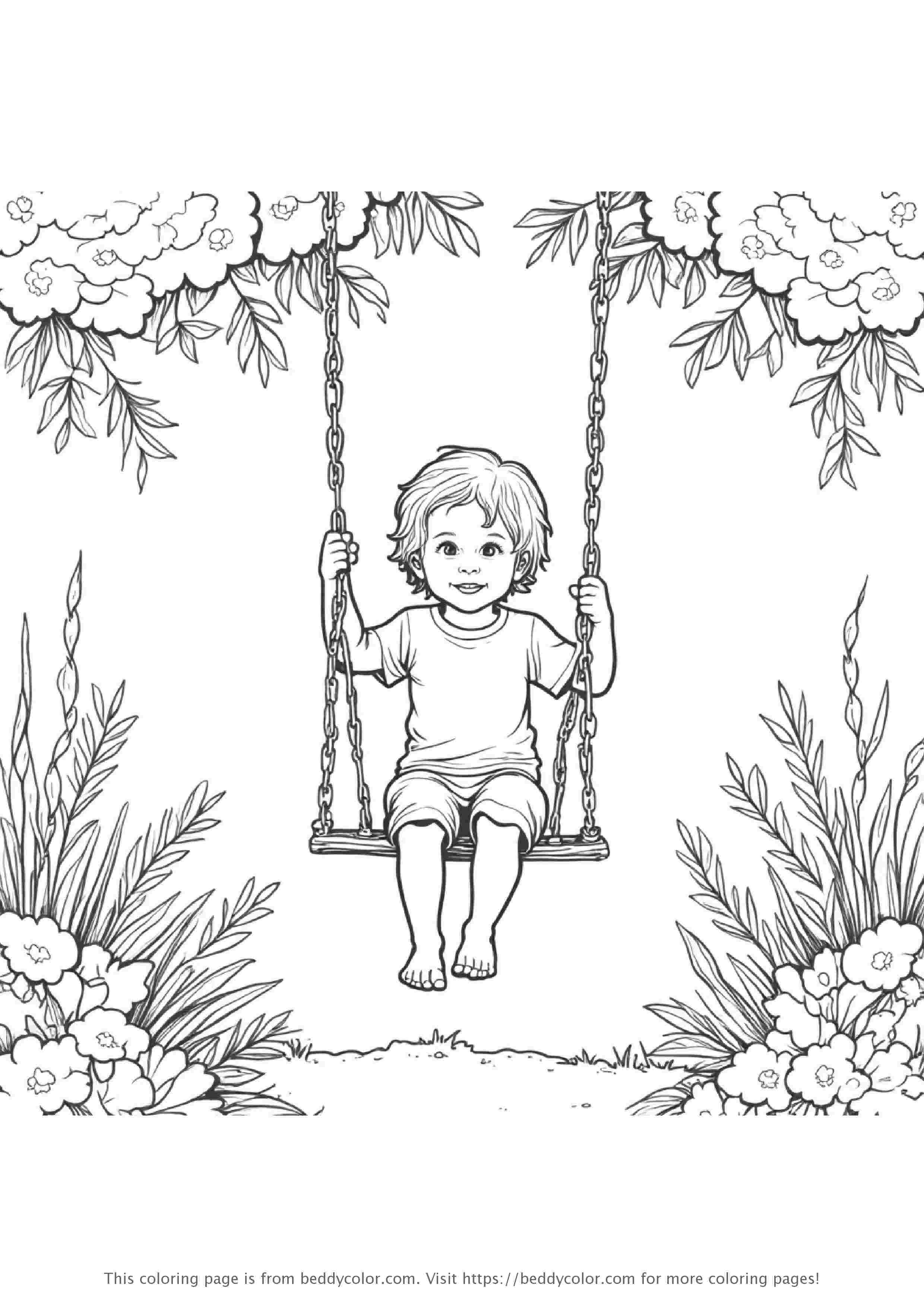
Clear shapes and open spaces for a short activity or broad crayons.
Home and classroom guide
This collection is reviewed for a clear subject, printable outlines, and enough open space to support a focused coloring activity.
Choose broad shapes for a short session and denser details for learners who want a longer challenge. Pencil control and attention are more useful guides than age labels alone.
Use A4 or Letter paper, select “fit to printable area,” and preserve the original aspect ratio. Test margins in draft mode; place scrap paper underneath when using markers.
Use the picture for observation, vocabulary, comparison, and storytelling. Ask the learner to explain choices rather than trying to reproduce one “correct” palette.
Preview the page, choose a small palette, color the focal subject first, and finish by adding one spoken or written observation.
Two main colors, one shadow color, and one accent are enough for a coherent result. Keep the background quieter than the subject.